
Why Baseball Endorsement Expansion Lags Despite Greater Visibility
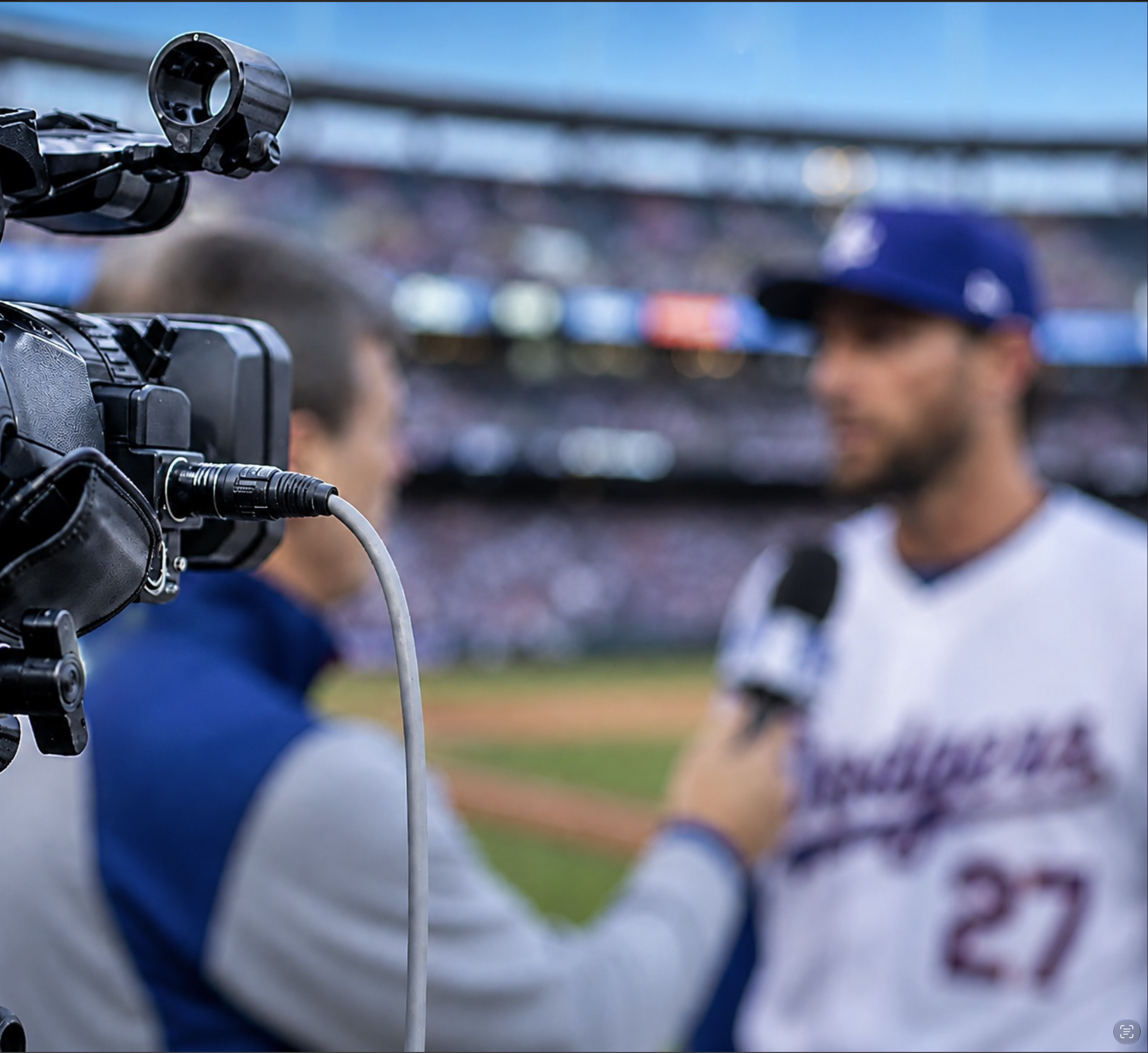
By Stephen Salamunovich
Some quick comparisons:
The percentage of total earnings derived from endorsements across the three major U.S. sports tends to follow a consistent pattern:
• Basketball: roughly 30–60%
• Football: roughly 5–20%
• Baseball: typically under 10%
Year after year, this disparity persists.
What makes this especially interesting is visibility as the assumed predominant factor. Major League Baseball offers more sustained exposure than either of the other two sports.
A 162-game season unfolds over roughly six months. Basketball spans a similar timeframe but with half the number of games. Football, by comparison, features just 17 games over approximately four and a half months.
If sport visibility alone drove endorsement opportunity, the hierarchy would be expected to look very different.
In comparing endorsement patterns with clients across baseball, football, and basketball, certain contrasts become difficult to ignore.
Football presents another interesting contrast. While endorsement opportunities usually gravitate toward quarterbacks and skill positions, a number of prominent endorsement figures have emerged from less naturally visible roles — linemen and defensive players. What they share isn’t statistical dominance or ball-handling visibility, but something less tangible — revealed in a way that draws attention beyond performance.
Baseball, meanwhile, operates within an inherited culture that has been deeply embedded in the sport and has endured across generations — far longer than football and basketball. Yet this same culture may also be limiting how players are perceived by both advertisers and the public as exposure increases, especially relative to football and basketball.
Simply producing on the field does not always translate into broader recognition. In some cases, elements that might otherwise expand an athlete’s visibility remain muted — or only emerge later, often after retirement, when players transition into broadcasting or commentary roles.
This raises an interesting question.
If baseball offers the most sustained exposure, why does endorsement expansion regularly lag behind sports with far less?
The answer isn’t found in visibility itself, but in what comes through as that visibility increases — or, just as importantly, what doesn’t.
That difference is usually subtle, but it becomes financially significant. While not immediately apparent to most observers, it isn’t fixed by more exposure —
it’s shaped by shifting how athletes are perceived within it.